
For
UK
audiences
The essential guide to product selection
The essential guide to product selection

After topical application of Metvix (methyl aminolevulinate), porphyrins accumulate intracellularly in the treated skin lesions. The intracellular porphyrins (including PplX) are photoactive, fluorescing compounds and, on light activation in the presence of oxygen, singlet oxygen is formed, which causes damage to cellular compartments, in particular the mitochondria. Light activation of accumulated porphyrins leads to a photochemical reaction and thereby phototoxicity to the light-exposed target cells
Treatment of thin or non-hyperkeratotic and non-pigmented actinic keratoses on the face and scalp when other therapies are considered less appropriate. Only for treatment of superficial and/or nodular basal cell carcinoma; unsuitable for other available therapies due to possible treatment-related morbidity and poor cosmetic outcome, such as lesions on the mid-face or ears, lesions on severely sun damaged skin, large lesions, or recurrent lesions. Treatment of squamous cell carcinoma in situ (Bowen’s disease), when surgical excision is considered less appropriate
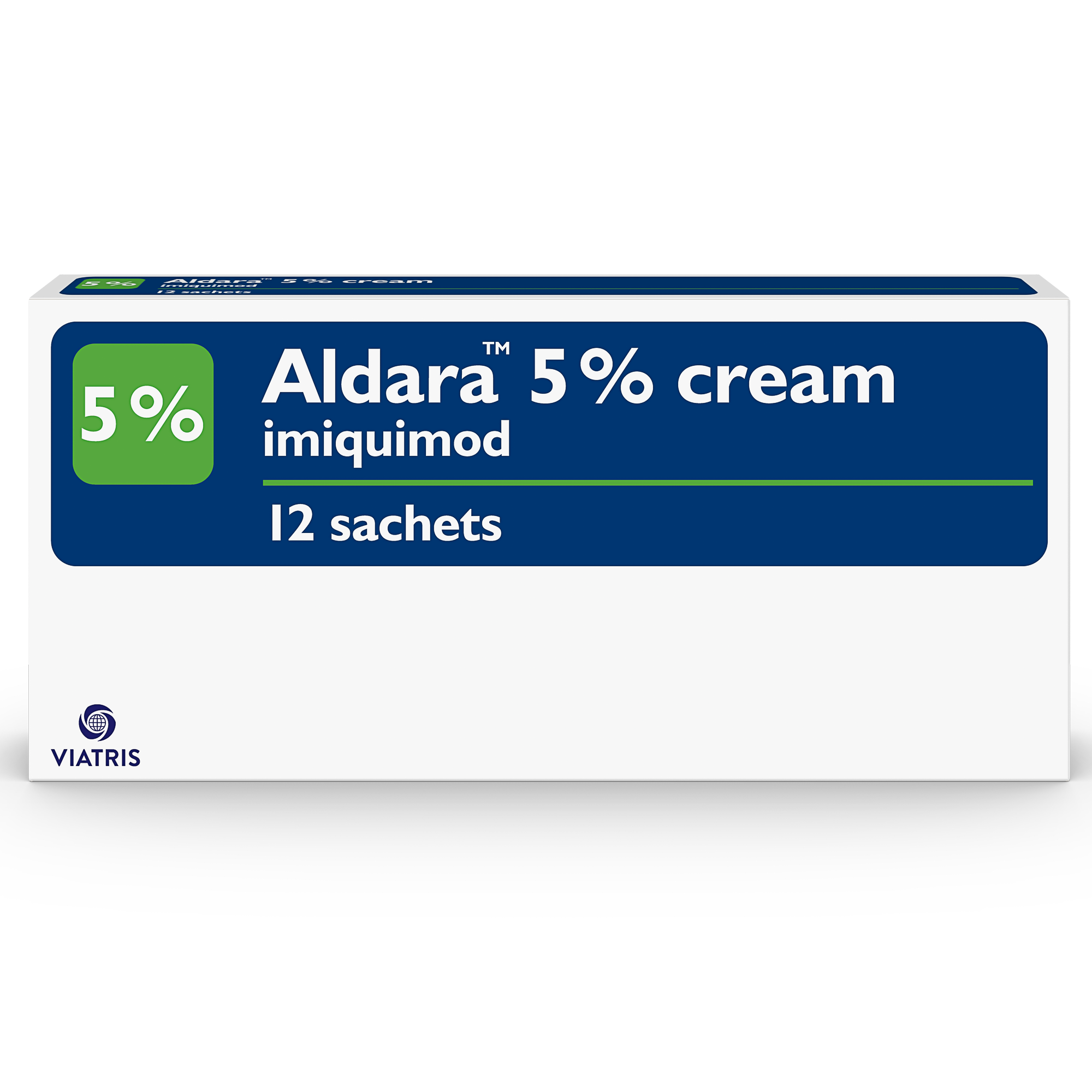
Cream containing 5% imiquimod, an immune response modifier that is effective against viral infections and acts as an anti-tumour agent, principally by induction of alpha interferon and other cytokines.
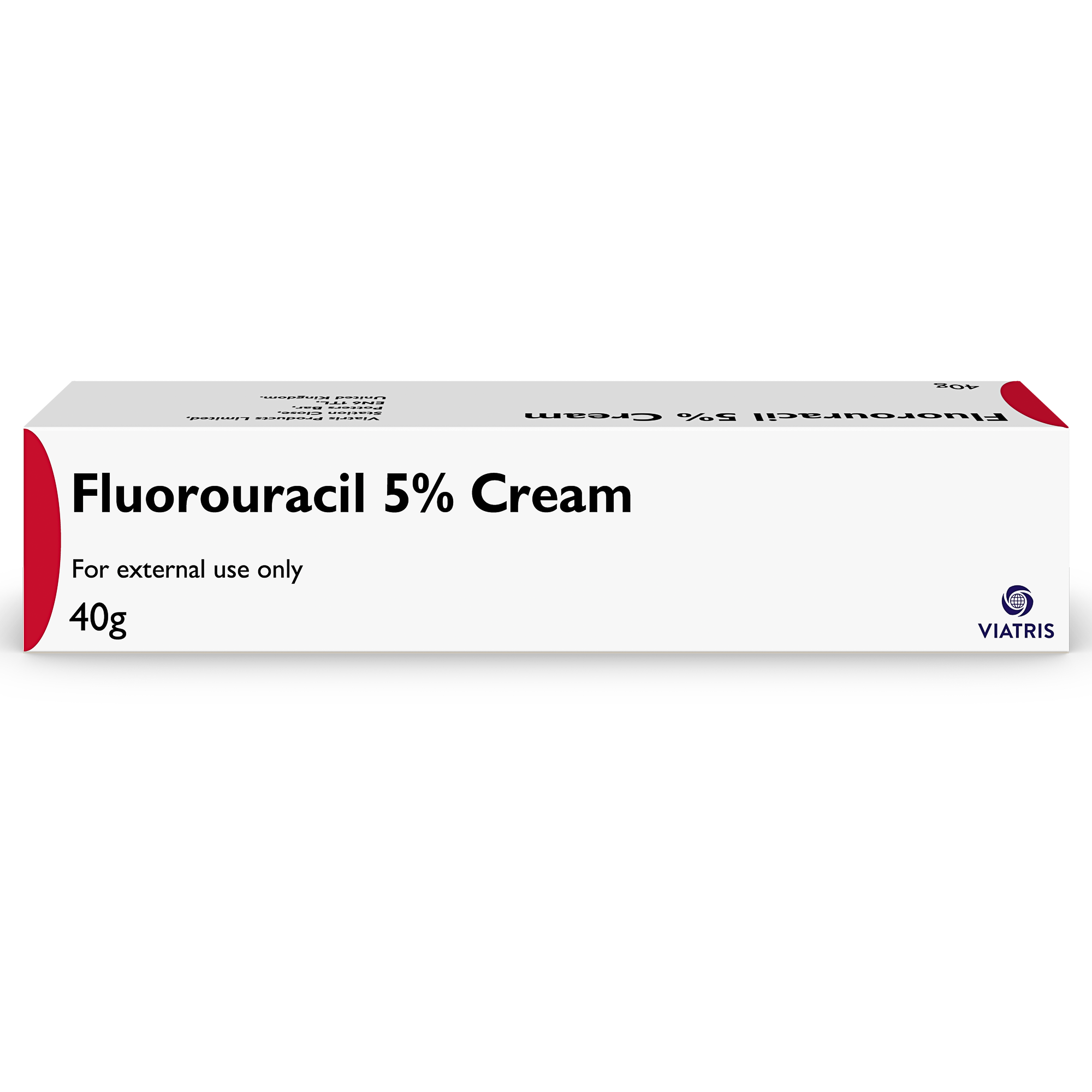
Topical cytostatic cream preparation with 5% fluorouracil that exerts a beneficial therapeutic effect on neoplastic and pre-neoplastic skin lesions without damaging normal skin. The pattern of response follows this sequence: erythema, vesiculation, erosion, ulceration, necrosis and epithelialisation. Formerly Efudix.
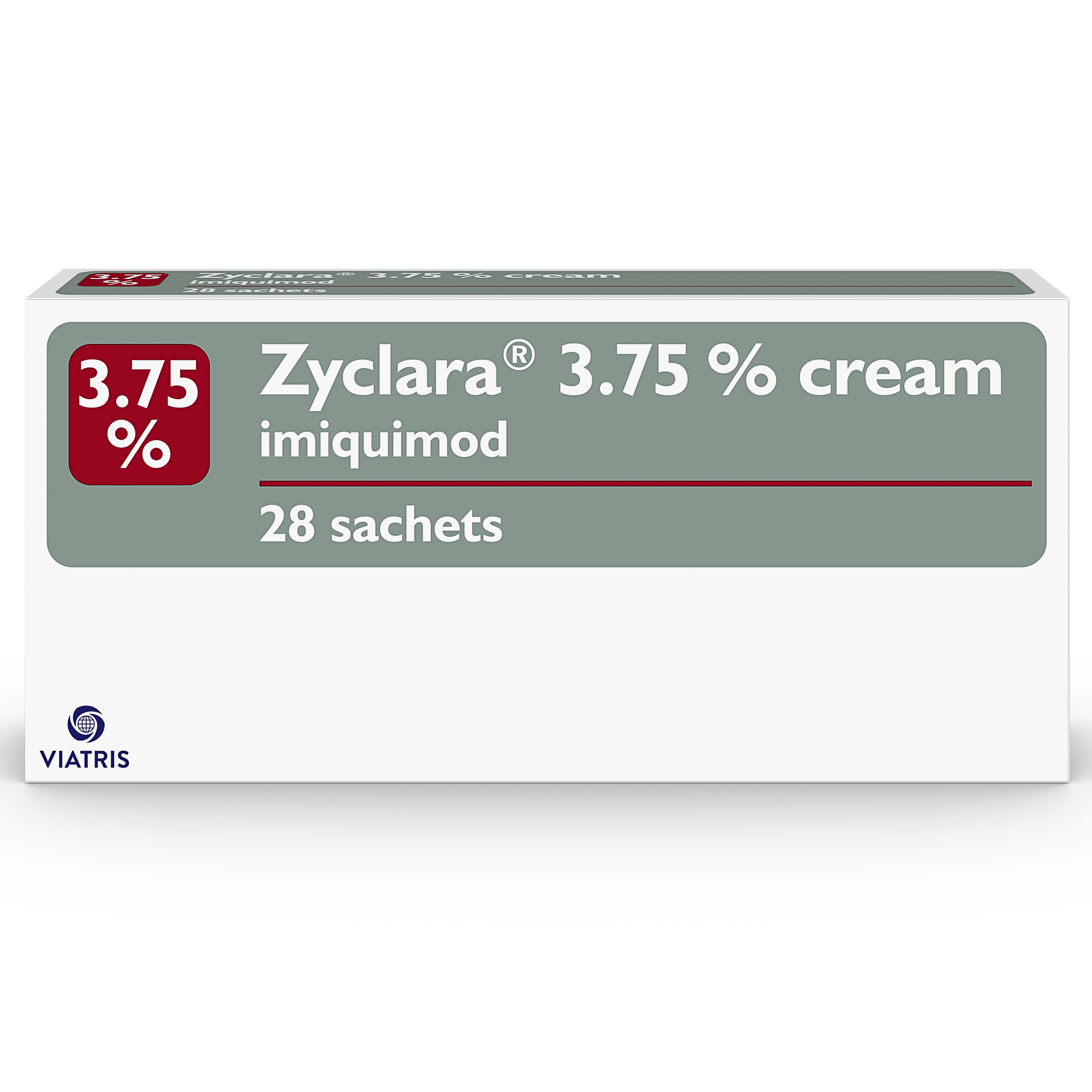
Cream with 3.75% imiquimod, is an immune response modifier that is the lead compound of the imidazoline family.