Dermatology Handbook
For UK audiences

The essential guide to product selection

Products

Surtron 120
Schuco

Surtron 120

An electrosurgical unit for minimally invasive surgical procedures. Offers flexibility of separate cut and coagulation settings, as well as a combined cut and coagulation setting.
Synalar
Reig Jofre

Synalar

Synalar contains fluocinolone acetonide, which is a synthetic anti-inflammatory corticosteroid. Its mechanism of action is related to vasoconstriction and suppression of membrane permeability, miotic activity, the immune response and release of inflammatory mediators
Synalar 1 in 4 Dilution
Reig Jofre

Synalar 1 in 4 Dilution

Synalar contains fluocinolone acetonide, a synthetic anti-inflammatory corticosteroid prepared as a 1 in 4 dilution. Its mechanism of action is related to vasoconstriction and suppression of membrane permeability, miotic activity, the immune response and release of inflammatory mediators
Tavegil
Thornton & Ross

Tavegil

Tavegil (clemastine) is an H1-recptor antagonist. It belongs to the benzhydryl ether group of antihistamines. Tavegil inhibits selectively the histamine receptors of the H1 type and reduces capillary permeability. It exerts a potent antihistaminic and antipruritic effect with a fast onset and long duration of action up to 12 hours
Tetralysal 300
Galderma

Tetralysal 300

Tetralysal contains 408mg of lymecycline, equivalent to 300mg tetracycline base. Tetracyclines provide bacteriostatic action at the available plasma and tissue concentrations and are effective against intracellular and extracellular organisms. Their mechanism of action is based on the inhibition of ribosomal protein synthesis. Tetracyclines block the access of the bacterial aminoacyl-tRNA to the mRNA-ribosome complex by binding to the 30S subunit of the ribosome, thus preventing the addition of amino acids to the growing peptide chain in protein synthesis. When given at therapeutically attainable concentrations, their toxic effect is limited to the bacterial cells. The exact mechanisms by which tetracyclines reduce lesions of acne vulgaris have not been fully elucidated, however, the effect appears to result in part from antibacterial activity. Following oral administration, the drugs inhibit the growth of susceptible organisms (mainly Propionibacterium acnes) on the surface of the skin and reduce the concentration of free fatty acids in sebum. The reduction in free fatty acids in sebum may be an indirect result of the inhibition of lipase-producing organisms which convert triglycerides into free fatty acids or maybe a direct result of interference with lipase production in these organisms. Free fatty acids are comedogenic, and are believed to be a possible cause of the inflammatory lesions, e.g. papules, pustules, nodules, cysts, or acne. However, other mechanisms also appear to be involved because clinical improvement of acne vulgaris with oral tetracycline therapy does not necessarily correspond with a reduction in the bacterial flora of the skin or a decrease in the free fatty acid content of sebum

Thirty-30
Ennogen

Thirty-30

An emollient containing 30% emulsifying wax and 30% yellow soft paraffin
Tildrakizumab (Ilumetri)
Almirall

Tildrakizumab (Ilumetri)

A subcutaneous injection for plaque psoriasis containing the active ingredient tildrakizumab, which acts on cytokine IL-23.
Timodine
Alliance Pharmaceuticals

Timodine

Contains nystatin, hydrocortisone, dimeticone and benzalkonium chloride.
Tolak Cream
Pierre Fabre Group

Tolak Cream

Tolak is a topical treatment cream for actinic keratosisi containing 40.mg of fluorouracil (5-FU). Apply for 4 weeks, as tolerated.
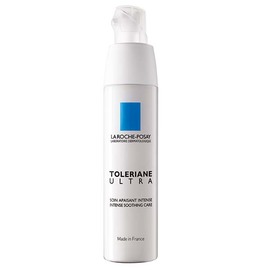
Toleriane Ultra
La Roche Posay

Toleriane Ultra

Specifically designed for sensitive, intolerant and reactive skin, containing a range of high tolerance products and formulated with minimum ingredients to limit the risks of allergies. Clinically proven to make your skin less sensitive, while providing long-last hydration.